
stained glass window panels
Understanding Pilot Controlled Check Valves An Overview Pilot controlled check valves play a crucial role in hydraulic systems by ensuring fluid flows in a controlled manner. This type of valve is designed to prevent backflow while allowing for smooth forward flow under certain conditions, making it an essential component in various industrial applications. In this article, we will explore the functionality, advantages, and applications of pilot controlled check valves. What are Pilot Controlled Check Valves? A pilot controlled check valve is a specialized type of check valve that utilizes a pilot line to control its operation. Traditional check valves rely on the pressure of the fluid itself to operate, allowing flow in one direction while preventing it in the opposite direction. However, pilot controlled check valves add an additional layer of functionality by incorporating a pilot signal, usually from a hydraulic pilot line, to modulate the valve's state. When the pilot signal is activated, it can overcome the resistance of the check valve, allowing flow in the reverse direction. This unique feature enables systems to manage flow direction more effectively, especially in applications where changes in flow direction are necessary. How Do Pilot Controlled Check Valves Work? The operation of pilot controlled check valves involves two key components the check valve itself and the pilot control mechanism. The check valve may consist of a poppet or ball design that opens or closes based on pressure differentials. 1. Flow in Forward Direction When fluid flows in the intended forward direction, the pressure is sufficient to keep the check valve open, allowing for continuous flow throughout the system. 2. Pilot Activation When there is a need to change the flow direction or to allow backflow, a hydraulic signal is sent through the pilot line. This pilot pressure acts on a piston or diaphragm, enabling the valve to open against the backward flow. 3. Backflow Prevention If the pilot signal is not present, the check valve remains closed, preventing any backflow. This feature is vital for ensuring safety and efficiency in hydraulic systems, as backflow can lead to equipment damage or inefficient operations. Advantages of Pilot Controlled Check Valves Pilot controlled check valves offer several advantages over traditional check valves 1. Versatility These valves can adapt to different operational conditions, allowing for controlled backflow and flow reversal as required. pilot controlled check valve 2. Enhanced Control By utilizing a pilot signal, operators can manage the flow direction more precisely, enabling complex hydraulic operations without the risk of backflow . 3. Reduced Pressure Drop Since these valves can be opened by a pilot signal, they often maintain lower pressure drops in the system compared to conventional check valves, which can lead to improved overall system efficiency. 4. Improved Safety The prevention of unintentional backflow helps to protect the hydraulic system and its components, mitigating risks associated with pressure fluctuations. 5. Simplified System Design Incorporating pilot controlled check valves can often lead to simpler circuit designs, reducing the need for multiple components and enhancing system reliability. Applications of Pilot Controlled Check Valves Pilot controlled check valves are widely used across various industries, including 1. Mobile Equipment In construction and agricultural machinery, these valves are integral in controlling fluid movement in hydraulic actuators, ensuring smooth operation under varying load conditions. 2. Manufacturing In automated assembly lines, pilot controlled check valves help maintain precise flow control, enhancing equipment performance and safety. 3. Oil and Gas These valves are crucial in offshore and onshore operations, managing fluid movements and preventing hazardous backflows in pipeline systems. 4. Aviation In aircraft hydraulic systems, pilot controlled check valves help manage pressures and fluid flow in critical systems, ensuring safety and functionality during flight. 5. Marine Engineering In marine vessels, these valves facilitate efficient control of ballast and other fluid systems, contributing to vessel stability and safety. Conclusion Pilot controlled check valves are essential components in modern hydraulic systems, offering superior control, safety, and efficiency. Their ability to manage flow direction and prevent backflow makes them invaluable in various applications, from mobile equipment to industrial processes. As technology continues to advance, the versatility and functionality of these valves will likely enhance their importance in hydraulic engineering and industrial applications. Understanding their operation and benefits can lead to more effective use and optimization in various systems, paving the way for innovation in hydraulic technology.
about
stained glass window panels
The Metal-Wood Bracket A Fusion of Strength and Aesthetics In the realm of modern design and architecture, the integration of materials is critical for both functionality and aesthetics. One such innovative combination that has gained significant traction in recent years is the metal-wood bracket. This unique fusion marries the durability of metal with the warmth and beauty of wood, creating a versatile component that finds applications in various fields, from furniture design to architectural support. The Strength of Metal Metal, known for its robustness and longevity, offers structural integrity that wood alone cannot provide. Commonly used metals in brackets include steel, aluminum, and stainless steel, each chosen for its specific properties. Steel brackets, for instance, are particularly popular for their high tensile strength, making them ideal for heavy-duty applications. Aluminum, on the other hand, is lightweight and resistant to corrosion, making it suitable for outdoor and marine environments. Stainless steel combines both durability and aesthetic appeal, providing a sleek finish while resisting rust and tarnishing. In applications where heavy loads are a concern, metal brackets are essential. They can support shelves, cabinets, and even outdoor structures such as pergolas and awnings, ensuring that both safety and design are maintained. For instance, a well-installed metal bracket can sustain significant weight and strain, ensuring that shelves remain level and secure. The Warmth of Wood In contrast to the cold, industrial feel of metal, wood brings an element of warmth and natural beauty to any design. Different types of wood, such as oak, maple, or walnut, can easily complement metal finishes. Wood has the ability to create a welcoming atmosphere, making spaces feel inviting and cozy. The unique grains and colors in wood also provide a level of customization that can enhance the overall aesthetic appeal of a project. metal wood bracket When combined with metal, wood achieves a harmony that is both striking and functional. For example, a wooden shelf supported by sleek metal brackets can serve as a stunning focal point in a room, merging industrial design with rustic charm. This trend has been widely embraced in contemporary interiors, where homeowners seek to create spaces that reflect a blend of modern and traditional elements. Applications of Metal-Wood Brackets Metal-wood brackets are extensively used in both residential and commercial settings. In furniture design, they showcase their versatility by appearing in coffee tables, bookshelves, and dining tables, where they can provide support without compromising on style. In an office environment, these brackets can be used to create floating workstations or shelving that maximizes space while maintaining a clean aesthetic. On a larger scale, architects have begun to use metal-wood brackets in building structures. For instance, they can be found in the frameworks of wooden beams, where they offer necessary support and stability. This not only ensures safety but also allows for creative architectural designs that showcase both materials together. Conclusion The metal-wood bracket is a testament to the innovative spirit of contemporary design, merging the strength of metal with the natural beauty of wood. Whether used in furniture or architecture, this combination creates a balance that resonates with both functionality and aesthetics. As more designers and architects explore this fusion, we can anticipate that the metal-wood bracket will continue to play a pivotal role in shaping our environments, making them not only more functional but also more visually appealing. Embracing the synergy of these materials allows us to appreciate the best of both worlds in the creations that surround us.
-

High quality industrial productsagement

High quality industrial products
View Details -

Meet the diverse needs of customers

Meet the diverse needs of customers
View Details -

Strict quality control

Strict quality control
View Details -

Top raw materials

Top raw materials
View Details -

Trusted supplier

Trusted supplier
View Details
Our application


news and information

water pressure regulating valve
Understanding Water Pressure Regulating Valves A Key Component for Efficient Plumbing Systems Water

workbench welding table
The Importance of Workbench Welding Tables A workbench welding table is an essential piece of equipm
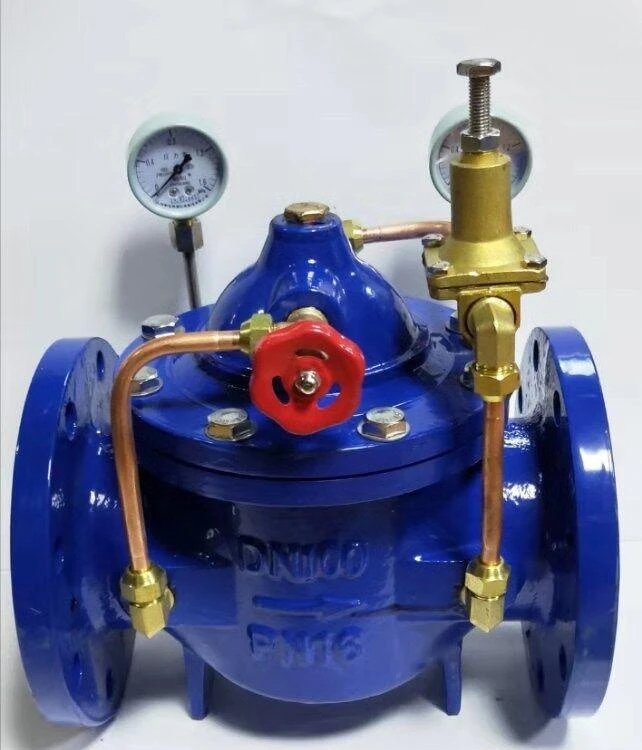
verschiedene Arten von Regelventilen und ihre Anwendungen
Verschiedene Arten von Regelventilen und deren Anwendungen Regelventile spielen eine entscheidende R
 English